

Minimally Invasive Pancreatic Cancer Treatment: Personalized Care by Professor Liao Zhengyin’s MDT Team

-
30+ years
Clinical experience in minimally invasive oncology
-
3000+ procedures
Minimally invasive procedures for complex tumors
* Clinical treatment effectiveness rate: the proportion of inpatients who completed at least 95% of their planned treatment, with follow-up confirming significant improvement and an average survival extension of more than 10 months.
“The tumor is in a difficult location. Surgery is not possible.”
“It is already advanced. Let us try chemotherapy first.”
“The case is too complex for us to treat.”
Anyone would feel overwhelmed hearing these words. Once the initial shock passes, ask one more question: If surgery is not possible, could minimally invasive treatment be an option? Professor Liao Zhengyin’s team has spent 30 years and treated nearly 100,000 cases answering this question. Most patients come here after being told that surgery is not possible; many have been turned away by more than one hospital. For many of these patients, treatment has found a way forward here.
— Pancreatic Cancer Minimally Invasive Treatment Center, UNI-ASIA Hospital
Understanding the Disease
Three Reasons Pancreatic Cancer Is So Difficult to Treat
The statistics are sobering, but understanding them helps identify where to focus treatment efforts.
-
80%
Advanced at diagnosis
Often discovered too late
The pancreas lies deep in the abdomen, and early disease rarely causes symptoms. By the time abdominal pain or jaundice appears, most patients have already missed the window for surgery.
-
10%
5-year survival rate
Conventional treatments have limited effectiveness
Chemotherapy alone has a relatively low disease control rate for pancreatic cancer, yet its side effects can be substantial. Many families have seen their loved ones grow weaker as treatment continues.
-
510k
New cases worldwide each year
No surgical option does not mean no treatment options
Minimally invasive ablation, seed implantation, and intra-arterial interventions offer options for pancreatic cancer that cannot be treated surgically. What matters is who performs these procedures and how they are combined. The same equipment can pose risks in inexperienced hands, while Professor Liao Zhengyin’s expertise can help open a path to treatment.
Understanding the Disease
Thirty Years Treating Cases Others Consider Too Risky
Before entrusting your life to a doctor, you deserve to understand his experience.

Liao Zhengyin Professor · PhD
A leading figure in multidisciplinary care for complex tumors in China
Former Director of the Oncology Center and Tier-One Specialist at West China Hospital
“The pancreas is surrounded by blood vessels and ducts that must be protected. Our work is to destroy tumors in these high-risk areas while preserving vital structures. Others hesitate because they cannot see clearly; we proceed because we can.”
-
30+ Years
Dedicated to minimally invasive cancer treatment, with more than 3,000 related procedures performed.
-
30,000+ Patients
Pancreatic cancer patients seen, including many complex cases referred after visits to multiple hospitals and being deemed “inoperable.” The cases others turn away are those he most often takes on.
-
A First in Western China
Performed Western China’s first pancreatic cancer ablation using a single-needle bipolar NanoKnife.
-
International Recognition
A WATA Global Precision Ablation Training Base, qualified to provide ablation training to physicians worldwide.
-
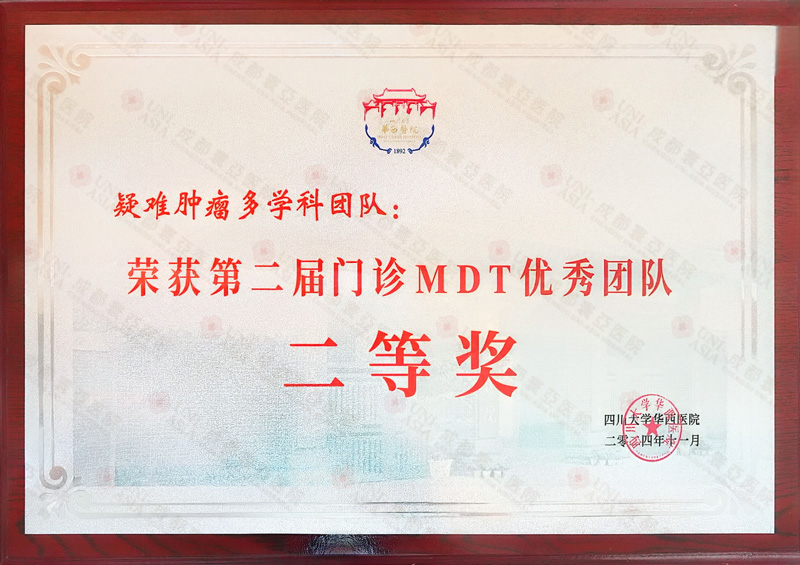
Outstanding Multidisciplinary Team for Complex Tumors -
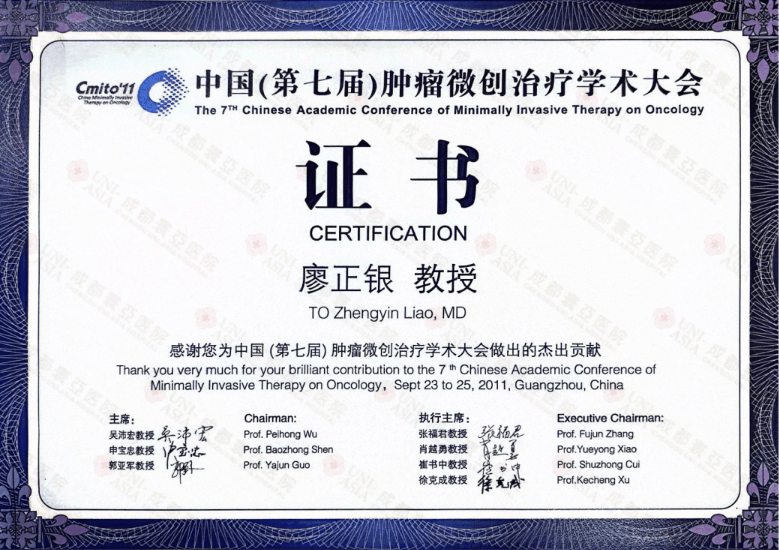
Chinese Minimally Invasive Association Certificate -
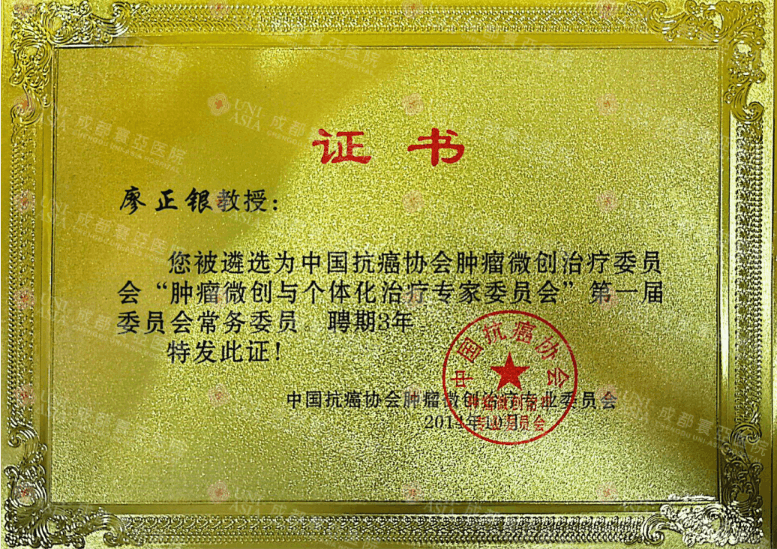
Member of the China Anti-Cancer Association -
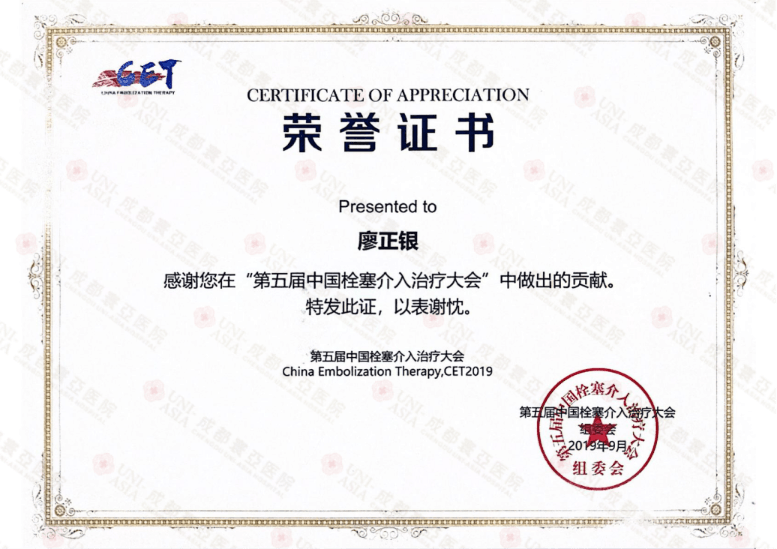
China Embolization Therapy Conference Certificate -
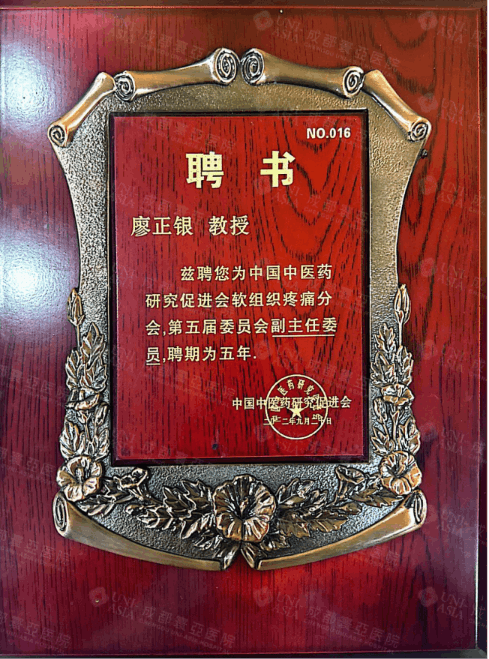
Deputy Director, Chinese Medical and Pharmaceutical Research Association -

West China Hospital Outstanding Contribution Award -
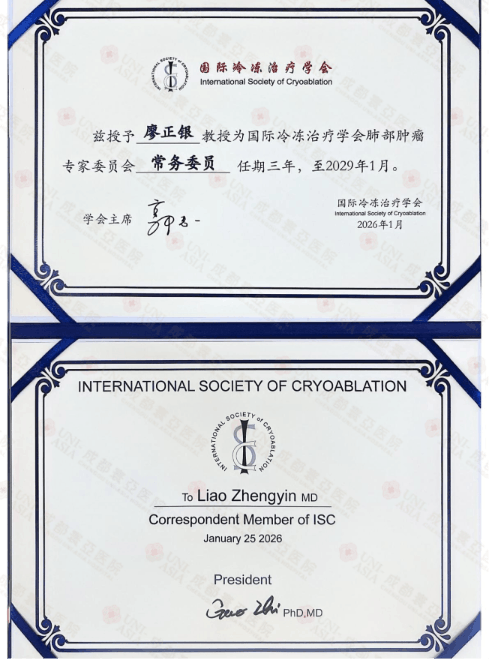
Committee Member, International Society of Cryosurgery -
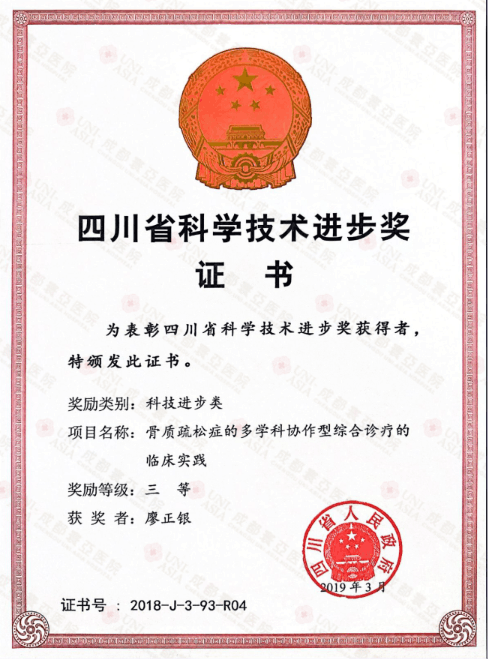
Provincial Science and Technology Progress Award
Treatment Approaches
How Can Tumors Be Treated Without Surgery?
We tailor a combination of treatments from the approaches below to your condition.
-

NanoKnife Ablation
A preferred option for high-risk locations · Our team performed Western China’s first case
Microsecond high-voltage electrical pulses create nanoscale pores in tumor cell membranes, triggering programmed cell death. Destroys tumor cells while preserving blood vessels, pancreatic ducts, and bile ducts passing through the area.
Suitable for: Patients with tumors close to major blood vessels or in high-risk locations that have been deemed inoperable elsewhere
-
WKnife Ablation
One needle under local anesthesia · Completed in about 15 minutes
Using a new high-frequency electric field technology, a thin needle reaches the tumor directly. Localized heat causes coagulative necrosis, with precise control over the ablation zone.
Suitable for: Older or frail patients who cannot tolerate major surgery under general anesthesia
-

Iodine-125 Seed Implantation
Radiation therapy delivered from within the tumor
Radioactive seeds the size of millet grains are implanted into the tumor, continuously releasing radiation to attack it from within. Also effective for slow-growing, oxygen-deprived solid tumors, with minimal damage to normal tissue.
Suitable for: Patients seeking long-term tumor control while minimizing the impact on quality of life
-

Intra-Arterial Therapy
Medication delivered directly to the tumor · Repeatable treatment
A thin catheter is guided into the artery supplying the tumor to deliver high-concentration medication locally or block the tumor’s blood supply. Strong local drug effects with fewer systemic side effects.
Suitable for: Patients with advanced disease or multiple metastases who need repeated treatment to control their condition
When needed, the MDT team also combines these approaches with microwave or radiofrequency ablation, precision IMRT, and targeted therapy and immunotherapy guided by genetic testing. The plan is tailored to your condition. Any hospital can purchase equipment, but thirty years of hands-on expertise cannot be bought: the difference lies in the person holding the needle.
Real Patient Stories
They Were Also Told “Nothing Can Be Done”
These accounts come from real treatment records. All share one thing: the patients had been deemed untreatable elsewhere. What happened next may offer the answers you are looking for.
-
Pancreatic Head Cancer · Rare Rh-Negative Blood Type
NanoKnife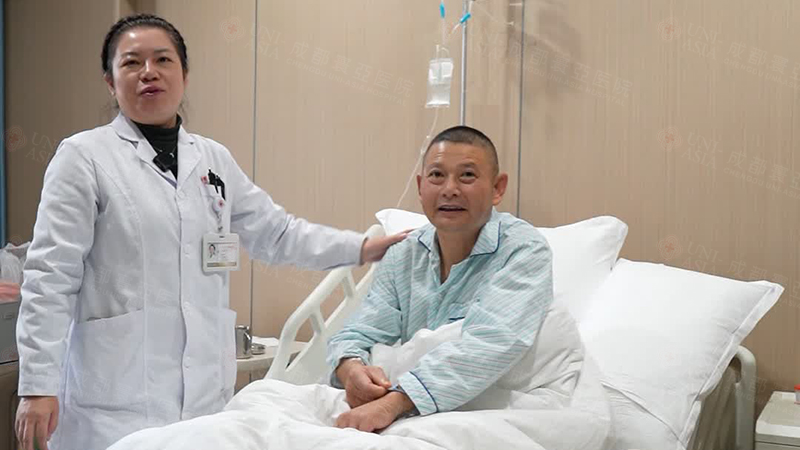
- Before
- Locally advanced cancer and a rare blood type meant that even obtaining a transfusion could be difficult if major bleeding occurred during surgery. Several hospitals declined to treat him.
- After
- Professor Liao Zhengyin performed NanoKnife ablation. Assessment on the first day after the procedure confirmed complete ablation, with no bleeding or complications during or after treatment.
“Thank you, Professor Liao. You protected someone with a rare blood type, so he no longer had to gamble his life on surgery.” — Family of patient Shu Yuanzhi
-
Pancreatic Cancer · High-Risk Location
First in Western China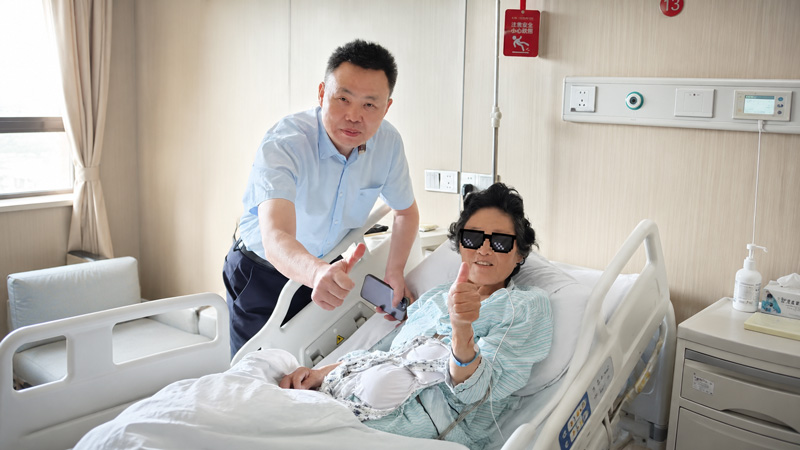
- Before
- The tumor’s high-risk location made it difficult to reach safely with conventional ablation or surgery. Multiple hospitals considered it untreatable.
- After
- Professor Liao Zhengyin successfully performed Western China’s first pancreatic cancer ablation using a single-needle bipolar NanoKnife, achieving complete ablation in one session at a site others had not dared to treat.
“Thank you, Professor Liao. Your expertise and kindness supported me through my hardest moments. I will always remember what you have done for me.” — Patient Bi Guiping
-
Advanced Pancreatic Cancer
Combined Treatment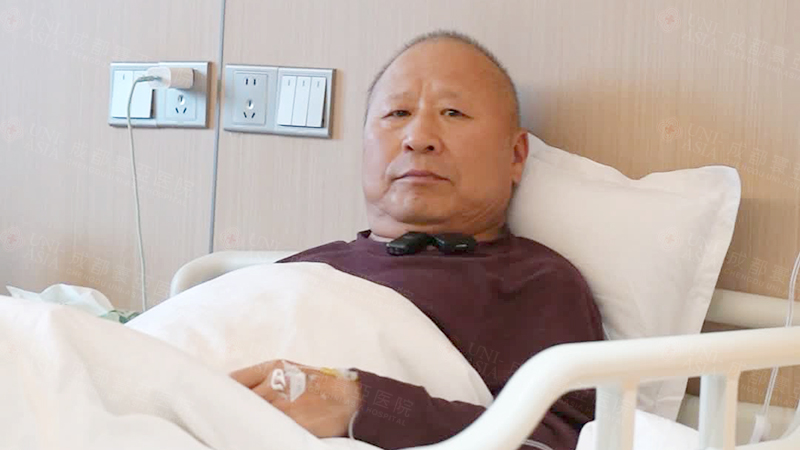
- Before
- Several hospitals had said that further treatment would offer no benefit, leaving the family close to despair.
- After
- The patient’s condition improved significantly following personalized combined treatment by Professor Liao Zhengyin’s team.
“Thank you, Professor, and your team, for bringing me back when I thought there was no way forward.” — Patient Gao De
Getting Started
Talk Things Through Before Deciding to Travel
Whether you are in China or abroad, the first step requires no flight booking or time off to visit a hospital.

-
Discuss Your Condition Online · Free
Submit your medical records. After reviewing them, our professional team will give you an honest assessment of whether there may be better options for your condition.
-
Upload Scans · Video Consultation
Upload original CT, MRI, or other imaging files online, including scans obtained abroad. The MDT team reviews your scans together, and you can book a video consultation to discuss your case face to face.
-
Get a Second Medical Opinion
Understand whether minimally invasive treatment is suitable, how treatments could be combined, the prognosis, and the costs. Use this information to decide your next step.
- Medical interpretation throughout your care
- Visa support
- Comfortable, hotel-style surroundings
- Airport transfers
- Culturally sensitive care
- International insurance claims assistance
Consult first, then travel.
Wherever you come from, we make sure your journey is worthwhile.
Getting Started
Talk Things Through Before Deciding to Travel
Questions worth asking first

-
Does “inoperable” mean there is no hope?
No. Minimally invasive approaches such as NanoKnife, WKnife, seed implantation, and intra-arterial therapy offer options for pancreatic cancer that cannot be treated surgically, including tumors in high-risk locations close to major blood vessels. Start with a free online consultation, and the team will explain which options remain for your condition.
-
Can older, frail patients tolerate minimally invasive treatment?
Most can. WKnife uses a single needle under local anesthesia and takes about 15 minutes. NanoKnife and seed implantation are also highly minimally invasive, placing far less strain on the body than surgery. The MDT team assesses individual suitability based on imaging and clinical indicators.
-
We live abroad. Can we use our local test results?
Yes. Upload CT, MRI, or other imaging obtained abroad. After reviewing the scans, the team can provide a second medical opinion through a video consultation. Plan your trip once the consultation confirms that a visit would be worthwhile. We also provide interpretation, visa support, airport transfers, and international insurance claims assistance.
Weekly MDT consultation slots are limited · Submit early for earlier scheduling
Facing Pancreatic Cancer,Another Opinion Can Open Another Path
Complex pancreatic cancer cases that other hospitals cannot or hesitate to treathave been part of Professor Liao Zhengyin’s daily work for thirty years.Submit your medical records free of charge for a second opinion from Professor Liao Zhengyin’s MDT team.Get clear answers on treatment feasibility, available approaches, and estimated costs.
Free Record Review · Book Our ExpertsYour information is strictly confidential · No assessment fees