

Your Liver Cancer Treatment Plan Needs a Second Opinion from National-Level Oncology Experts

200,000+
cases
Liver cancer patients treated
95%
Clinical effective treatment rate
30+
years
Average clinical experience of the MDT team
* Clinical effective treatment rate: the proportion of inpatients who completed at least 95% of the planned treatment, with follow-up confirming significant improvement and an average survival extension of more than 10 months.
What You Need to Know About Liver Cancer
More than 900,000 new liver cancer cases occur worldwide each year. East and Southeast Asia account for over 60%, and 80% of patients are already at an intermediate or advanced stage when diagnosed.
The global 5-year survival rate for liver cancer is only 18%, making it the second leading cause of cancer death.
Types of Liver Cancer
Pathological classification:
| Pathological type | Proportion | Characteristics |
|---|---|---|
| Hepatocellular carcinoma (HCC) | 75%–85% | The most common type of primary liver cancer |
| Intrahepatic cholangiocarcinoma (ICC) | 10%–15% | Highly aggressive; most patients have a 5-year survival rate below 5% |
| Combined HCC-CCA (cHCC-CCA) | <5% | Shows both hepatocellular and cholangiocarcinoma differentiation; highly aggressive, prone to metastasis, and associated with a poor prognosis |
Morphological classification:
Diffuse
Small cancer nodules diffusely distributed throughout the liver
Massive
Tumor diameter 5–10 cm, associated with high invasiveness
Giant
Tumor diameter >10 cm
Nodular
Tumor diameter 3–5 cm
Small
Tumor diameter <3 cm with clear boundaries; considered early-stage liver cancer
Why Are More Liver Cancer Patients Choosing Treatment in China?
Nearly half of the world's new liver cancer cases occur in China, giving it the world's richest clinical resources, innovative medicines, and highly experienced liver cancer teams.
China offers internationally advanced liver cancer care with a significant cost advantage—typically one-third to one-fifth of the cost in Singapore, Japan, South Korea, Europe, and the United States.
A comprehensive minimally invasive system—including TACE, NanoKnife, and cryoablation—provides practical new options for intermediate and advanced liver cancer.
UNI-ASIA Hospital’s Minimally Invasive Liver Cancer Treatment System
Centered on minimally invasive intervention and combined with ablation, targeted therapy, immunotherapy, and other approaches, we develop an individualized comprehensive treatment plan for every patient.
| Traditional treatment | Minimally invasive technology | Patient benefits |
|---|---|---|
| Tumors over 5 cm or multiple tumors are often considered unsuitable for surgery | Over 90% of patients may gain downstaging opportunities through intervention plus ablation | Renewed treatment hope |
| Larger wounds and higher bleeding risk | Only needle-sized punctures, with no open incision or sutures required | Less pain and faster recovery |
| Average hospital stay of 10-14 days | Hospital stay of 3-5 days, with major lesion management often completed in one treatment | Saves time and energy, with better overall care value |
| Greater burden, especially for patients with cirrhosis or weak physical condition | Minimal trauma, precisely acting on liver tumor lesions | Maximizes preservation of normal liver tissue and liver function |
| Normal life may take 1-3 months to resume | Return to normal life and diet in about 3-7 days | Significantly improves postoperative quality of life |
Treatment philosophy: minimally invasive, no major incision, targeted tumor removal
It causes less damage to healthy liver tissue and enables faster recovery than traditional surgery, creating curative-intent opportunities for intermediate and advanced cases.
Core Treatment Approaches

Transarterial Chemoembolization (TACE)
It is primarily used for the palliative treatment of intermediate to advanced-stage primary liver cancer, liver metastases, and hypervascular tumors in areas such as the head, neck, and lungs. It can also be used as postoperative adjuvant chemotherapy to help reduce the risk of local recurrence.

NanoKnife Ablation Technology
It is primarily indicated for solid tumors located in anatomically complex regions adjacent to major blood vessels, bile ducts, pancreatic ducts, the intestines, or nerves—such as locally advanced pancreatic cancer, hilar hepatic tumors, renal hilar tumors, and prostate cancer. This technique offers a safe and effective option for curative or cytoreductive treatment in patients with unresectable lesions or tumors unsuitable for conventional thermal ablation.

Iodine-125 Seed Implantation Technology
It is primarily indicated for solid tumors that are unresectable, recurrent, or metastatic after radiotherapy and chemotherapy, including primary liver cancer, non-small cell lung cancer, prostate cancer, and pancreatic cancer, as well as recurrent or metastatic tumors of the head and neck and pelvic regions.

Argon-Helium Knife Ablation Therapy
It is widely used in the treatment of liver cancer, lung cancer, renal cancer, as well as bone and soft tissue tumors. The technique is particularly suitable for lesions adjacent to the thoracic or abdominal wall, adrenal glands, and multiple metastatic tumors, making it an important component of the minimally invasive ablation system for solid tumors.

Radiofrequency Ablation Therapy
It is indicated for solid tumors such as solitary or multiple liver cancers and liver metastases measuring ≤5 cm in diameter, primary and metastatic lung cancers, renal cancers, and osteoid osteomas. For unresectable or recurrent tumors, it can also serve as an important palliative cytoreductive strategy to prolong survival.

Microwave Ablation Therapy
It is widely used in the treatment of liver cancer, liver metastases, lung cancer, adrenal tumors, and other solid malignancies. The technique is particularly advantageous for hypervascular tumors larger than 3 cm in diameter or those located adjacent to major blood vessels. It is also commonly combined with vascular interventional therapies and immunotherapy to achieve enhanced therapeutic outcomes.

Stent Placement
It is widely used for the palliative treatment of malignant luminal obstructions, including dysphagia caused by esophageal cancer, obstructive jaundice due to malignant biliary obstruction, dyspnea resulting from tracheal stenosis, malignant colorectal obstruction, and superior vena cava syndrome.

Percutaneous Vertebroplasty
It is a cornerstone approach for maintaining spinal stability and improving quality of life in various conditions, including vertebral metastases, multiple myeloma with vertebral involvement, aggressive vertebral hemangiomas, and painful osteoporotic vertebral compression fractures.

Chemotherapy combined with Targeted Therapy and Immunotherapy
It is widely used across various common solid tumors—including non-small cell lung cancer, hepatocellular carcinoma, esophageal cancer, gastric cancer, colorectal cancer, and breast cancer—in the first-line, adjuvant, and neoadjuvant settings, consistently improving survival and quality of life.

High-Intensity Focused Ultrasound
Primarily indicated for benign and malignant solid tumours such as uterine fibroids, adenomyosis, bone metastases and fibroadenomas of the breast. It is particularly suitable for patients unsuitable for surgery or those with a strong desire to preserve organ function, and has been extended to palliative debulking of solid tumours such as pancreatic cancer and prostate cancer.

Drug-loaded microsphere embolisation
Primarily used for the interventional treatment of well-vascularised tumours, such as mid- to late-stage primary liver cancer and liver metastases from colorectal cancer. It is often combined with ablation, targeted therapy and immunotherapy to improve local control rates and prolong patient survival.

Radioactive Microsphere Embolisation
Primarily indicated for primary liver cancer and liver metastases that cannot be surgically resected, particularly in patients with portal vein tumour thrombi, poor hepatic reserve, or those unresponsive to chemotherapy. This approach can significantly prolong survival and improve quality of life.
Core specialists are discipline leaders from China’s top three public hospitals
Our nationally renowned specialists come from the public medical system and have handled millions of clinical cases in total.
Liao Zhengyin
Professor · PhD · Chief Physician · Senior Specialist
"Founder of the West China MDT team for complex and difficult tumors, Specializes in complex tumors that others hesitate or struggle to treat"
·
Over 30 years of clinical practice
·
More than 40,000 related procedures completed
What Patients Say...
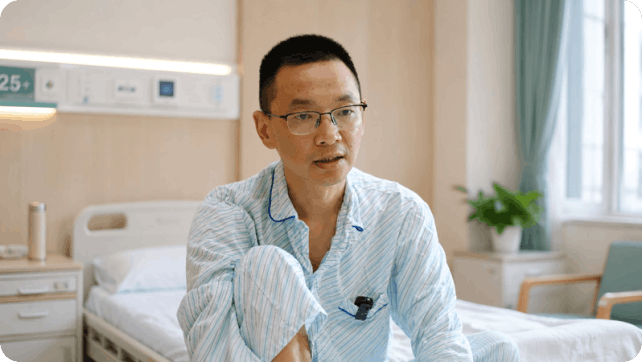
“In life, encountering setbacks isn’t what scares you; what’s frightening is not knowing which way to go. At UNI-ASIA Hospital, Dr. Liao showed me a new way forward.”
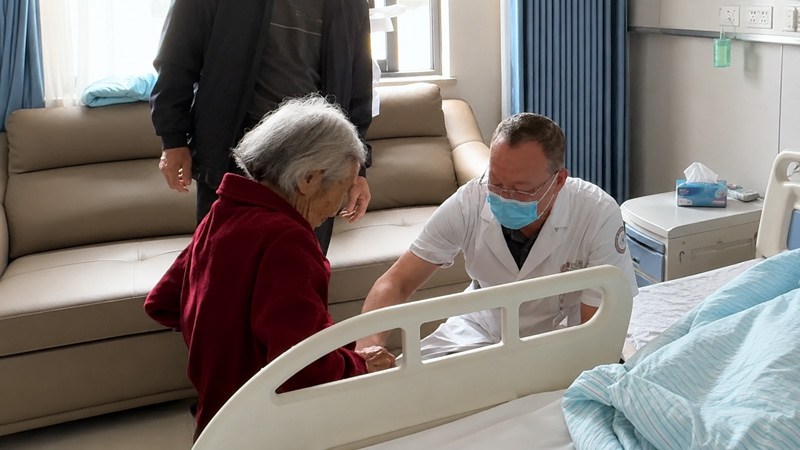
“Thank you to UNI-ASIA Hospital and Professor Liao’s team for helping this old boat, once close to stopping, sail steadily forward again.”
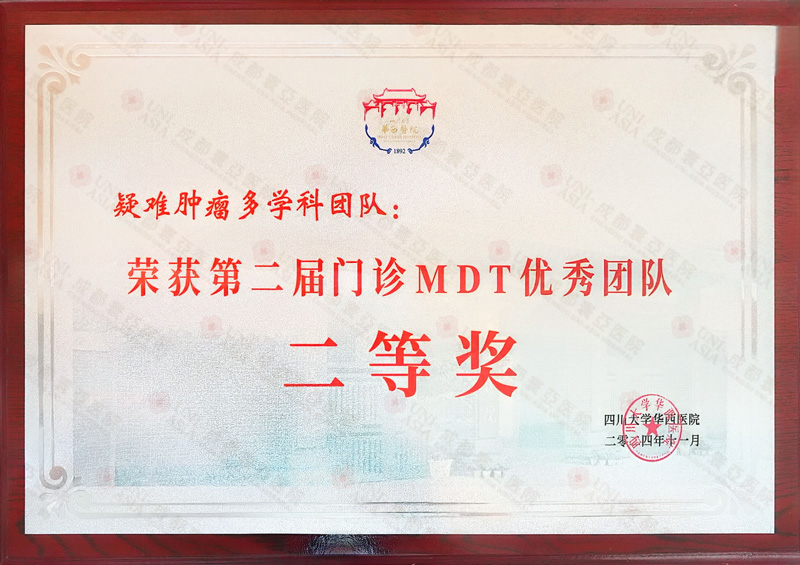
Outstanding Multidisciplinary (MDT) Team for Complex Cancer Cases
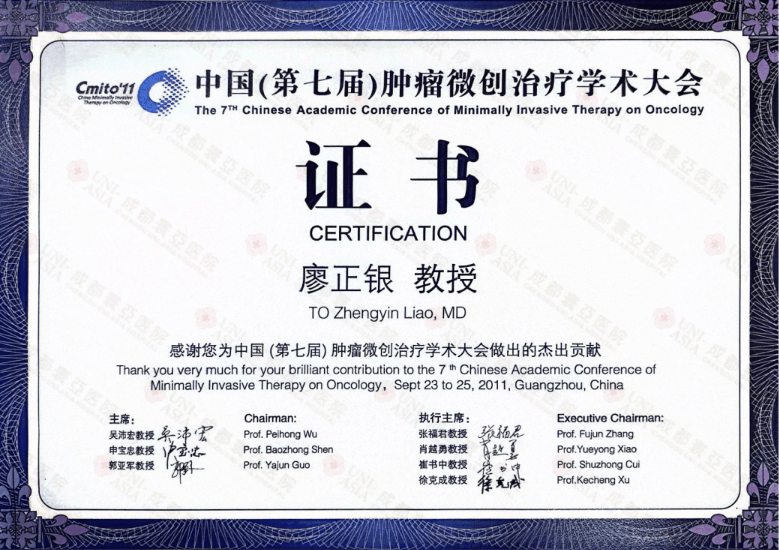
China Minimally Invasive Association Certificate
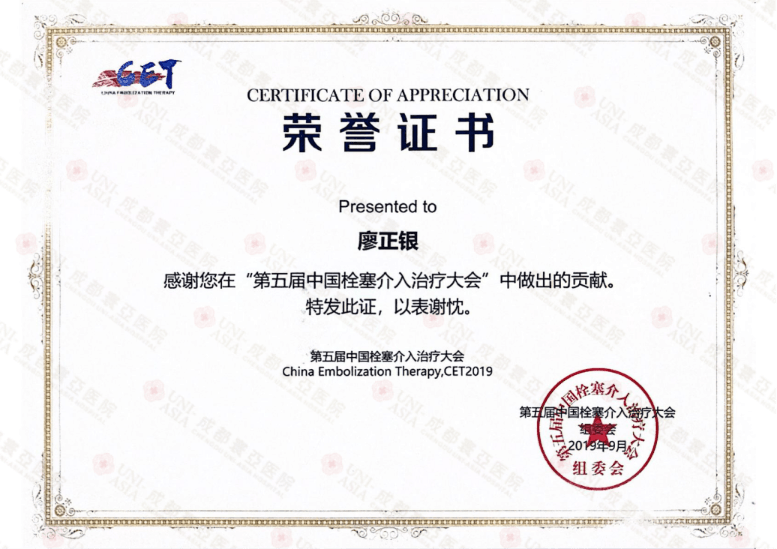
China Embolization Therapy Conference Certificate
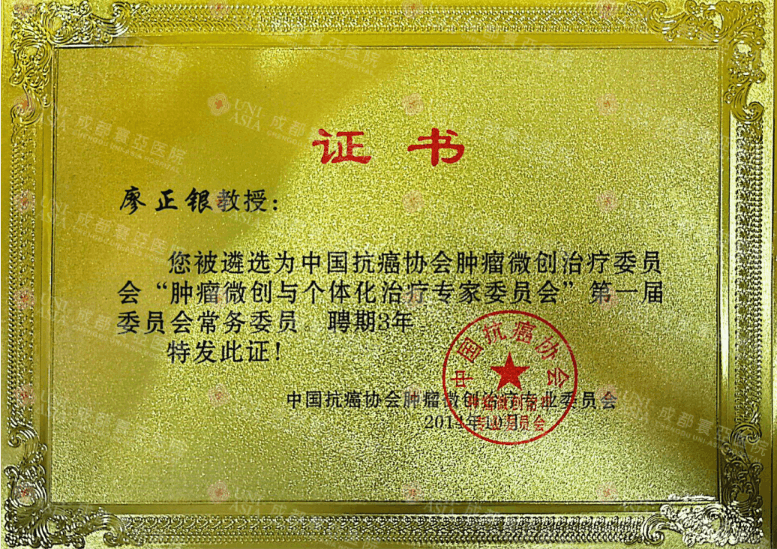
Member of the Chinese Anti-Cancer Association
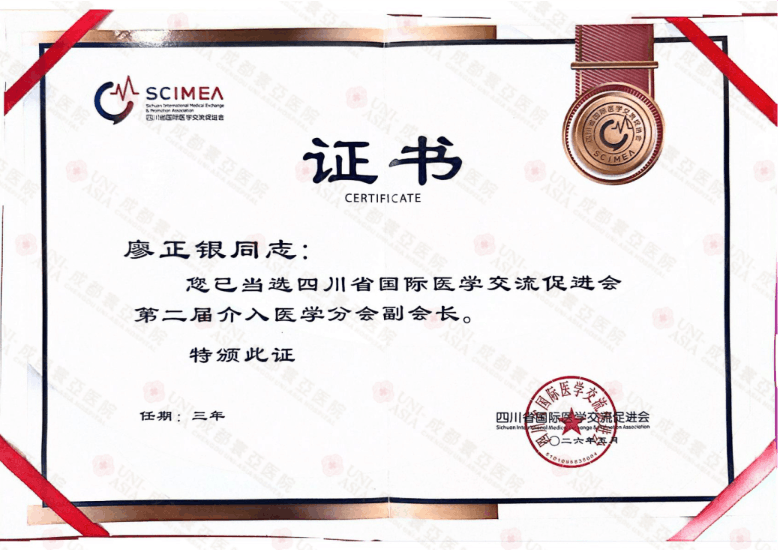
Vice President of the Provincial International Medical Promotion Association
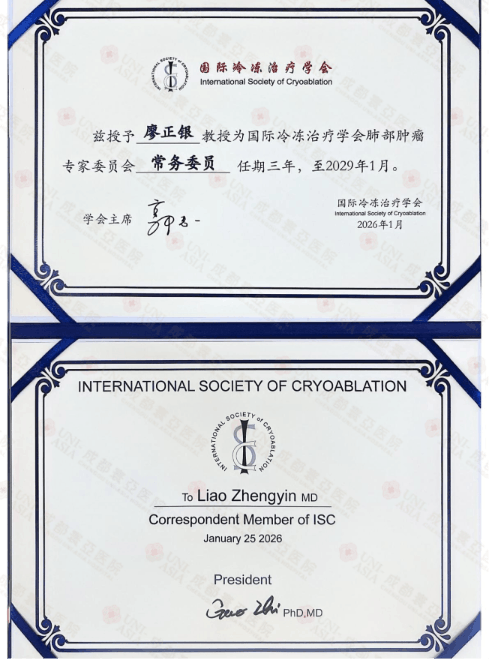
Member of the International Society of Cryosurgery
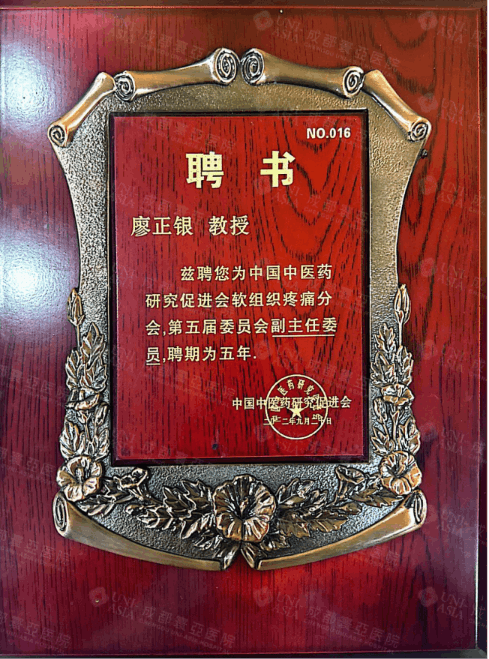
Deputy Director of the China Medical Research Association
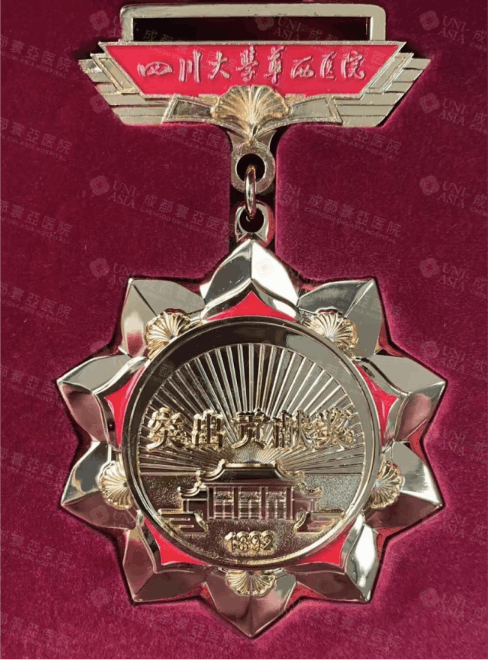
West China Outstanding Contribution Award
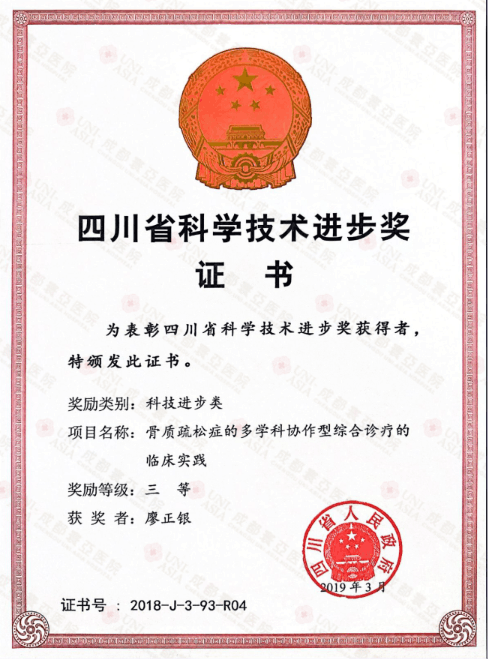
Provincial Science and Technology Progress Award
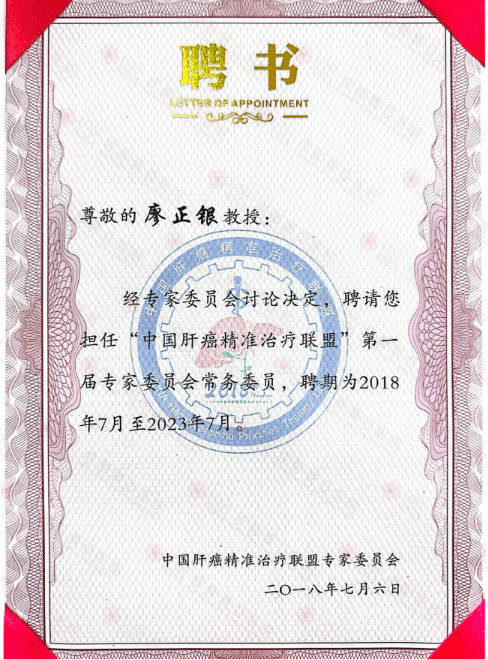
Appointment as Standing Committee Member of the Municipal Anti-Cancer Association
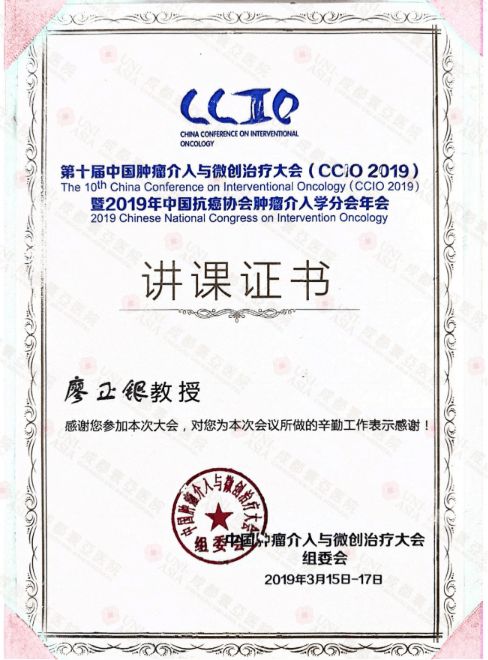
CCIO Lecture Certificate
At UNI-ASIA Hospital, your doctor is supported by an anti-cancer team combining surgery, intervention, targeted therapy, and traditional Chinese medicine.
Zhang Jinshan
Professor · M.D. · Doctoral Supervisor · Chief Physician · Director of the Department of Former Radiological Diagnosis at Chinese PLA General Hospital⁽¹⁾ · Ph.D. of Medicine, Nagasaki University, Japan
He is very involved in treating tumors and blood vessel diseases, focusing on less invasive procedures for issues like liver cancer, cirrhotic portal hypertension, Budd–Chiari syndrome, narrowing and blockage of peripheral blood vessels, both benign and malignant tumors, and benign prostatic hyperplasia. He was among the first in China to perform advanced techniques such as TIPSS and B-ORTO, filling multiple domestic gaps in the field. He also pioneered temporary hepatic vein occlusion combined with hepatic arterial embolization for the treatment of liver cancer, led the development of standardized treatment protocols for liver cancer, and has made significant contributions to the advancement of interventional medicine in China.
Xiao Yueyong
Professor · M.D. · Chief Physician · Doctoral Supervisor
Doctor Xiao has an expertise in the individualised minimally-invasive ablation of solid tumours including liver cancer, lung cancer, and pancreatic cancer under the guidance of CT/MRI. Doctor Xiao is proficient in radiofrequency, microwave, cryoablation, and nanoknife ablation technologies, and operates more than thousands of operations annually. Especially, Dr. Xiao has abundant experiences in the precise treatment of the tumours in special anatomical sites such as hepatic hilar region, retroperitoneum, and mediastinal lymph nodes. Further, Dr. Xiao is rather good at combining chemical ablation and seed implantation therapies.
Hu Xiaokun
Professor · Doctoral Supervisor · Postdoctoral mentor · Chief Physician · Deputy Director of the Interventional Medicine Center of The Affiliated Hospital of Qingdao University · Director of the Qingdao Tumor Interventional Minimally Invasive Technology Innovation Center. · Visiting Scholar at Harvard Medical School, USA
Specializes in the treatment of solid tumors, including lung cancer, liver cancer, glioma, and pancreatic cancer, with a particular focus on radioactive iodine-125 seed implantation combined with multimodal ablation techniques such as microwave ablation, radiofrequency ablation, cryoablation, and irreversible electroporation (NanoKnife). Also possesses extensive experience in the management of non-neoplastic diseases, particularly vertebroplasty and minimally invasive treatments for intervertebral disc disorders.
Luo Xiaoping
Associate Professor · M.D. · Chief Physician · Master’s Supervisor · Group Leader of the Group of Intervention of Radiological Diagnosis in The Second Affiliated Hospital Of Chongqing Medical University · Member of the Expert Panel for the Medical Quality Control Center
Expertise in precision vascular interventional oncology procedures, (TACE for hepatocellular carcinoma), TIPS, interventional management of Budd–Chiari syndrome, biliary stent placement, and emergency embolization for acute bleeding.
Yi Cheng
Ph.D. in Medicine · Professor · Doctoral Supervisor · Chief Physician · Grade 1 Expert(2) in the Department of Medical Oncology at West China Hospital, Sichuan University(1) · PhD in Oncology, Fudan University, China · Postdoctoral Fellow, Faculty of Pharmacy, University of Toronto, Canada · Pioneer in the Integrated Traditional Chinese and Western Medicine
Specializes in chemotherapy for gastric, colorectal, pancreatic, and ovarian cancers, as well as the comprehensive diagnosis and treatment of lung cancer, liver cancer, pancreatic cancer, and bone and soft tissue sarcomas. Skilled in the integrated application of traditional Chinese medicine with chemotherapy, targeted therapy, and immunotherapy, he advocates an integrated traditional Chinese and Western medicine approach to tumor treatment and possesses extensive expertise in anti-angiogenic chemotherapy and the development of traditional Chinese medicine–based antitumor drugs.
Li Zhiping
Professor · M.D. · Chief Physician · Doctoral Supervisor · Director of the Discipline of Abdominal tumors,West China Hospital(1) · Expert in the Promotion of Precision Radiotherapy Technology in China
Professor Li Zhiping is especially adept at the radiation therapy and chemotherapy of esophageal cancer, gastric cancer, colon cancer, and rectal cancer; the radiation therapy and chemotherapy for the urogenital system tumors of both male and female; the targeted therapy and immunotherapy for the abdominal tumor molecules. Meanwhile, Prof. Li is proficient in the application of new radiation therapy technologies including 3D conformal radiotherapy, intensity-modulated radiotherapy (IMRT), imaging-guided radiation therapy (IGRT), stereotactic radiotherapy (X-knife), image fusion technology, and respiratory gating technology in the treatment of abdominal tumors; meanwhile covering the radiation therapy and chemotherapy of head and neck tumors and breast cancer. Also, Prof. Li has had abundant treatment experience of uncommon and rare cases of tumors.
He Weibing
Associate Chief Physician · Director of the International Campus,
Proficient in NanoKnife and argon-helium tumor ablation techniques, with extensive clinical experience in minimally invasive treatment of liver, lung, kidney, and pelvic tumors. He is especially skilled in ablation therapy for common malignant tumors such as liver, lung, and retroperitoneal tumors, combined with interstitial brachytherapy using iodine-125 seed implantation.
Zhang Junxi
Associate Chief Physician · Vice President of the Zigong Campus of Uni-Asia Hospital (Zigong High-Tech Oncology Hospital) and Director of Ward I
Proficient in the full range of tumor ablation techniques, including chemical ablation, radiofrequency ablation, microwave ablation, argon-helium cryoablation, and NanoKnife ablation. He specializes in intravascular and non-vascular interventional treatment for solid tumors such as liver cancer, lung cancer, and pancreatic cancer.
Wu Chaobo
M.Med. · Associate Chief Physician
Proficient in minimally invasive techniques including microwave ablation, cryoablation, radiofrequency ablation, and iodine-125 seed implantation. He has extensive experience in the treatment of various solid tumors, including liver cancer, lung cancer, pancreatic cancer, and breast cancer. He is especially skilled in combining ablation with seed implantation to achieve precise local treatment with minimal trauma and faster recovery.
Bai Xing
M.Med. · Associate Chief Physician
Skilled in the essentials of standardized oncology diagnosis and treatment as well as precision therapy. Proficient in flexibly applying advanced minimally invasive techniques including microwave ablation, radiofrequency ablation, argon-helium cryoablation, and interventional infusion embolization. He has also accumulated extensive experience in treating benign and malignant conditions such as uterine fibroids, liver/kidney/ovarian cysts, hemangiomas, and various types of cancer pain.
Guo Donghua
Associate Chief Physician
Dr. Guo is proficient in both vascular and non-vascular minimally invasive interventional techniques. He specializes in transarterial chemoembolization (TACE) and continuous arterial chemotherapy infusion, and is highly skilled in core techniques such as iodine-125 seed implantation, radiofrequency ablation, microwave ablation, and cryoablation. He is also able to perform stent implantation, PTCD, bone cementoplasty, puncture biopsy, and other procedures. Focusing on individualized comprehensive treatment combining interventional therapy, targeted therapy, and immunotherapy for solid tumors such as liver cancer and lung cancer, he has extensive experience in minimally invasive treatment for middle- and late-stage tumors, as well as in managing complications and critical conditions, providing patients with safe, precise, and efficient minimally invasive diagnosis and treatment plans.
For Liver Cancer, Choosing the Right Doctors Means More Hope
Extensive experience to identify the right plan for complex cases
Tens of thousands of procedures for precise destruction of tumor lesions
Detailed assessment makes treatment tolerable even for frail patients
End-to-end treatment, rehabilitation, and recurrence prevention to improve long-term quality of life
They Once Felt Hopeless—Until They Came to UNI-ASIA Hospital
“
Mr. Wang from Vietnam
Diagnosed with liver cancer at the end of 2022
After seeking care at multiple hospitals for three years, he was told there was little hope for treatment
At UNI-ASIA Hospital, Professor Liao performed three minimally invasive interventional treatments
He has now achieved clinical cure after clinical evaluation
He has returned to his beloved orchard and is enjoying his later years
”
Real Cases, Real Hope Through Treatment:
Liu Heyi · Liver Cancer
A Chinese patient was diagnosed with liver cancer accompanied by severe bile duct obstruction, severe systemic jaundice, and a weight loss of nearly 15 kg within one month. His bilirubin level was as high as 257.50 umol/L. Because the tumor was adjacent to major blood vessels, several hospitals assessed that surgical resection would carry an excessively high risk. After being referred to UNI-ASIA Cancer Hospital, he underwent two interventional treatments. He recovered quickly after the procedures, was able to get out of bed the next day, his jaundice subsided, his weight stabilized, and he has now returned to normal life.
Li Xiufang · Liver Cancer
A 9-year-old Chinese girl was diagnosed with a massive tumor in the second hepatic portal region of the liver. Due to its proximity to major blood vessels, multiple hospitals deemed it inoperable. Her family then brought her to Chengdu Uni-Asia Hospital, where Professor Liao Zhengyin's team, after multidisciplinary discussion, formulated a precise, minimally invasive interventional treatment plan and successfully performed the procedure. The patient adhered to regular follow-ups as advised. Imaging surveillance showed complete tumor regression, with no recurrence for 17 consecutive years and all parameters remaining normal. Today, she has graduated with honors as an outstanding university student and is now working professionally, enjoying a long-term, high-quality life.
Professor Zhu · Liver Cancer
70 years old, retired professor from the University of Geosciences, with a 35-year history of hepatitis B. In May 2025, he was diagnosed with a massive hepatocellular carcinoma in the left lobe of the liver, measuring 12 cm in diameter, accompanied by ascites, moderate anemia, and severe liver dysfunction. After being transferred to Chengdu UNI-ASIA Hospital, Professor Liao Zhengyin’s team performed hepatic arterial angiography with infusion and embolization therapy in two sessions. Two months later, follow-up examination showed that the tumor had shrunk to 6 cm, the ascites had significantly subsided, and liver function had markedly recovered. He has now returned to normal life.
Wang Xiulan · Liver Cancer
Chinese female patient, 41 years old, with a solitary large mass of hepatocellular carcinoma in the right lobe of the liver. The tumor compressed the bile duct, causing severe jaundice. Due to the tumor's large size and unfavorable location, surgical resection was not possible. The patient had previously undergone radiotherapy and chemotherapy at another hospital, but with poor response and severe toxic side effects, including nausea, vomiting, and bone marrow suppression, making further treatment impossible. A multidisciplinary team (MDT) at Chengdu Uni-Asia Cancer Hospital conducted a consultation and performed two sessions of hepatic arterial interventional therapy after the referral. The patient recovered rapidly post-surgery, jaundice subsided, and pre- and post-treatment CT comparisons showed tumor volume reduced by over 70% with loss of viability. The patient has regained the ability to live independently and returned to her daily family life.
Grandma Jia · Liver Cancer
Chinese national, 78-year-old female, diagnosed with hilar cholangiocarcinoma presenting with systemic jaundice. After undergoing PTCD drainage at an outside hospital, her jaundice temporarily improved. However, due to the tumor's challenging location and her advanced age, surgery, radiotherapy, and chemotherapy were not feasible. After referral to Chengdu Uni-Asia Cancer Hospital, a multidisciplinary team developed an individualized interventional plan, and she underwent two sessions of transarterial chemoembolization (TACE). Post-treatment, the tumor significantly shrank, bile drainage was restored, her stool color returned from clay-white to normal yellow, her appetite recovered, her mental status markedly improved, the drainage tube was removed, and she returned to a peaceful, later-life routine.
Lin Yue · Lung Cancer
A young Chinese female patient, after lung cancer resection, was found to have a solitary metastatic lesion in the caudate lobe of the liver. Due to its deep location and close proximity to major blood vessels, surgical resection was deemed impossible by surgeons. Subsequent radiotherapy, chemotherapy, targeted therapy, and immunotherapy all failed, with the disease continuing to progress. The patient developed severe liver-area pain, her quality of life plummeted, and she was on the verge of emotional collapse. After numerous failed consultations elsewhere, she was admitted to Chengdu Uni-Asia Cancer Hospital, where a multidisciplinary team of experts, after thorough evaluation, decided to perform a high-difficulty multi-needle cryoablation procedure. Post-operatively, the ice ball perfectly covered the tumor with no intraoperative bleeding or bile leakage, and her liver pain was significantly relieved. Follow-up imaging showed complete tumor necrosis, and the patient has returned to normal life.
Ge Sang · Liver Cancer
A 62-year-old male Tibetan patient from China was diagnosed with liver cancer in May 2024 after presenting with hematemesis. He underwent six interventional treatments at multiple hospitals, but the results were unsatisfactory and the disease recurred repeatedly. He was later placed on oral lenvatinib targeted therapy, during which he developed complications including gastrointestinal bleeding and hepatic encephalopathy. In May 2025, follow-up imaging revealed intrahepatic recurrence and lymph node metastases. The tumor was closely adhered to the gastric wall, with AFP levels exceeding 1210 ng/ml, and the disease continued to progress. Due to severe thrombocytopenia, surgery was not an option. After being referred to Chengdu Uni-Asia Hospital, a multidisciplinary team evaluated his case and decided to perform the first Vinna Knife (NanoKnife) ablation for liver cancer in Southwest China. Preoperative platelet-boosting therapy was administered. The procedure was performed by Professor Liao Zhengyin under local anesthesia combined with intravenous sedation and was completed successfully with precise ablation coverage of the lesion while effectively protecting the adjacent gastric wall. Intraoperative blood loss was only 5 ml, with no severe complications. Postoperatively, the patient recovered well, AFP levels dropped significantly, and the lymph node metastases stabilized. He continues to receive regular immunotherapy and has experienced a marked improvement in quality of life.
Bao Bing · Liver Cancer
A 38-year-old female patient from China underwent tumor resection for lung cancer. During follow-up, an isolated metastasis was discovered in the caudate lobe of the liver. This deeply seated location, tightly adjacent to major blood vessels, was deemed unresectable by surgical evaluation. Subsequent chemotherapy, radiotherapy, and immunotherapy failed to control the disease, and the tumor continued to progress. The patient experienced severe pain, intractable nausea and vomiting, severely limited food intake, and a drastic decline in quality of life. At the point of near desperation, the patient was transferred to Chengdu Uni-Asia Hospital. A multidisciplinary team including Professors Liao Zhengyin, Zhang Jinshan, Xiao Yueyong and others conducted a comprehensive reassessment and decided to perform CT-guided multi-needle cryoablation. During the procedure, the ice ball perfectly covered the lesion without bleeding or complications. Two weeks post-surgery, MRI confirmed complete tumor necrosis. Pain was significantly relieved, nausea and vomiting disappeared, appetite returned, and life gradually normalized. This case fully demonstrates the unique value of minimally invasive interventional techniques in managing refractory tumors in difficult locations.
Catia · Liver Cancer
A 42-year-old Filipino patient was diagnosed with primary liver cancer with intrahepatic metastases and a tumor thrombus in the inferior vena cava (stage IV), and had lost the opportunity for surgical resection. He was referred to Chengdu Uni-Asia Hospital through an international referral center. Professor Luo Xiaoping’s team first performed biliary drainage to relieve jaundice, and after his condition stabilized, carried out hepatic arterial infusion chemotherapy and embolization to control the tumor. After the procedure, his abdominal distension was significantly relieved; he was able to get out of bed the next day and was successfully discharged to return home.
Why Choose UNI-ASIA Hospital for Liver Cancer Treatment?
More experienced specialists
Core specialists average 30+ years of clinical experience and more than 10,000 procedures each, with stronger capabilities in complex and high-risk cases.
Better value for treatment
UNI-ASIA Hospital offers globally advanced equipment and technology, while total costs are significantly lower than in Europe, the United States, Singapore, and Japan.
Convenient location
Direct flights to Chengdu take only 3–5 hours from major Southeast Asian cities and 4–6 hours from Central Asia. Shorter journeys reduce the physical burden on patients.
One-stop service
From medical-record review to follow-up, a dedicated coordinator supports the entire process, allowing you to focus on recovery.
WATA Global Precision Ablation Training Center
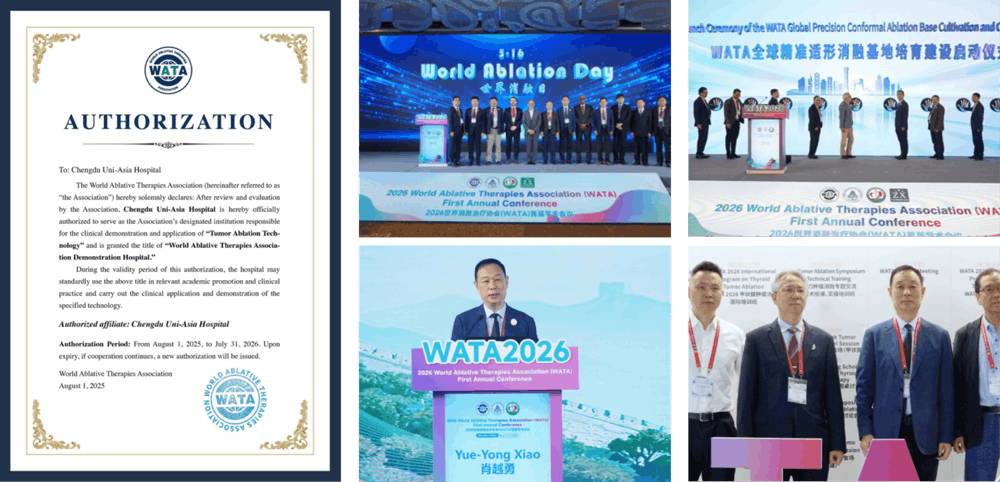
UNI-ASIA Hospital is qualified to provide precision ablation training to physicians worldwide.
The safety and effectiveness of our ablation treatment are endorsed by an internationally authoritative academic organization.
Focus on Recovery—Leave Everything Else to Us
Cross-border medical care does not have to be difficult. We provide home-like support throughout your journey:

Create Medical File
Submit your basic information, medical history, examination reports, and other materials to create a health record.

Online Consultation
Meet specialists online for an assessment of your condition.

Receive Treatment Plan
A personalized treatment plan is developed based on the diagnosis.

Appointment Booking
Confirm the consultation time and receive fast, priority scheduling support.

Pre-Travel Assistance
Receive a medical invitation letter and confirm the documents and medical records required before travel.

Treatment
Complete treatment according to the diagnosis and treatment plan.

Dedicated Care
Receive attentive medical nursing and concierge-style service.

Health Guidance
Receive post-treatment rehabilitation guidance and a health plan.

Settlement and Discharge
We assist with payment settlement and insurance claim documents.

Remote Follow-Up
After discharge, remote consultation, follow-up, and revisit support remain available.
Medical interpreter throughout treatment
Visa support
Airport transfer service
Comfortable premium environment
Multicultural care
International insurance claims support
Avoid a wasted cross-border trip!
Submit your medical reports and related records online to schedule a video consultation in advance, and our oncology specialist team will provide a professional preliminary assessment.
No need to purchase flight tickets in advance or pay any fees.
Submit medical records
Preliminary expert assessment
Schedule a video consultation
Develop a treatment plan
Book a Video Consultation Now